
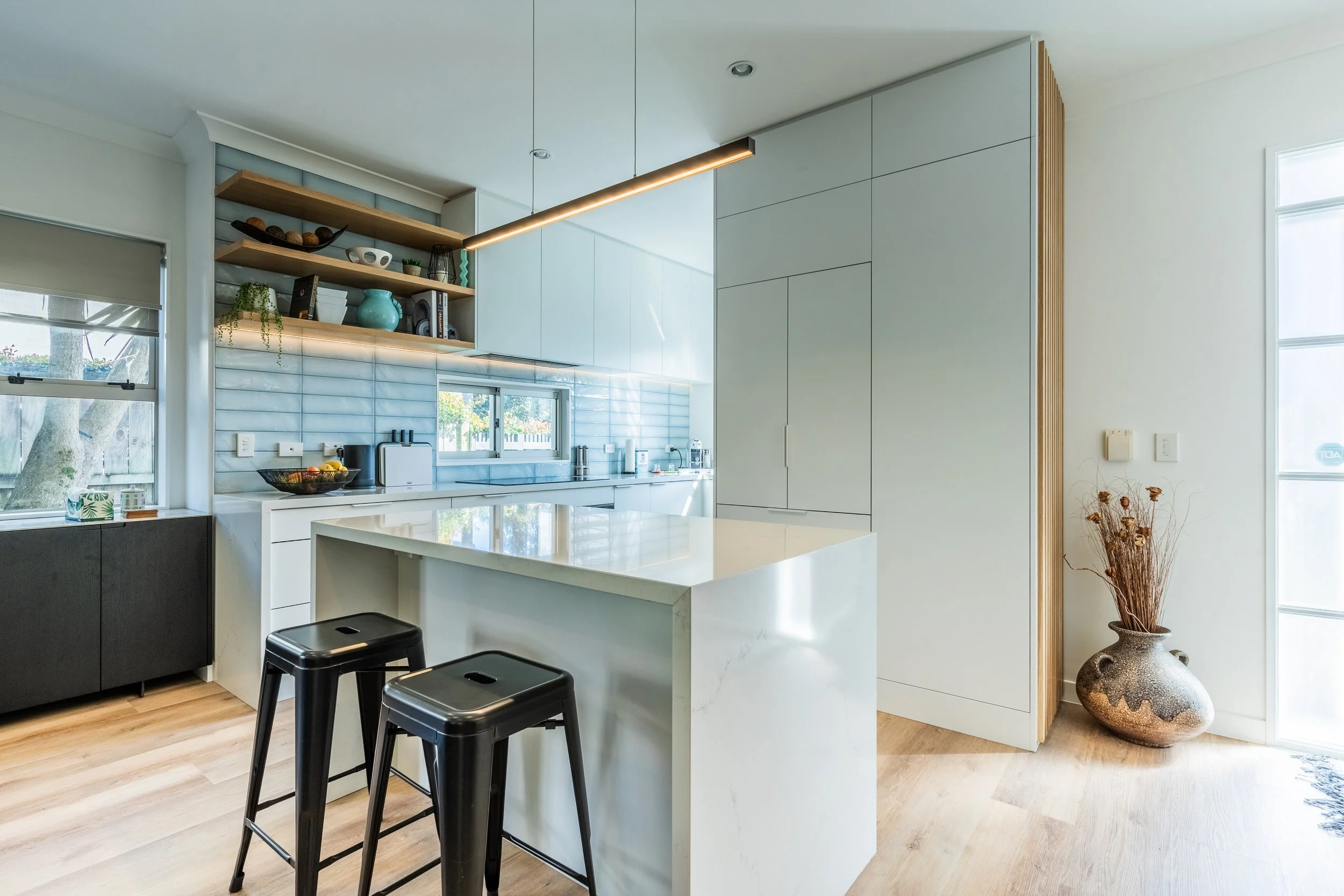
A kitchen renovation is one of the most popular home improvement projects in New Zealand. The kitchen is often the heart of the home. It’s where families gather, meals are prepared, and conversations happen daily. Because of this, many homeowners choose to upgrade their kitchens to improve functionality, style, and property value.
One of the most common questions people ask before starting a renovation is: How long will the process take? The answer can vary depending on the size of the kitchen, the scope of work, material availability, and the professionals involved.
In this blog, we’ll talk about how long a kitchen renovation takes and what are the factors contribute to the process.
Planning and Design Stage (2–4 Weeks)
Every successful renovation begins with careful planning. This stage involves designing the layout, selecting materials, and determining the budget. During this phase, homeowners work closely with renovation specialists to discuss ideas and learn more about the practical aspects of the project.
Key decisions during this stage often include:
- Choosing the kitchen layout (L-shaped, U-shaped, or open plan)
- Selecting cabinetry styles and finishes
- Picking benchtop materials such as stone, laminate, or wood
- Deciding on appliances and lighting
- Setting the renovation budget
This planning phase is extremely important because it ensures everything is finalized before construction begins. The more detailed your plan is, the fewer delays you are likely to experience later in the project.
Some homeowners also use this time to review portfolios and client testimonials from renovation companies to make sure they choose experienced professionals.
Ordering Materials and Scheduling (1–3 Weeks)
After the design is finalised, materials must be ordered and delivery schedules confirmed. Cabinets, benchtops, appliances, and fixtures may take time to arrive, especially if they are custom-made or imported.
This stage can sometimes overlap with planning, but delays in material delivery can impact the overall renovation timeline. Many renovation services coordinate ordering and scheduling to ensure everything arrives when needed.
During this phase, contractors also organise the renovation timeline and confirm the availability of different tradespeople.
Demolition and Site Preparation (2–5 Days)
Once everything is ready, the physical renovation begins. The first step is demolition, where the existing kitchen is removed.
This stage typically involves:
- Removing old cabinets and benchtops
- Disconnecting appliances
- Taking out old flooring if necessary
- Preparing walls and surfaces for new installations
Demolition usually takes only a few days, but unexpected issues can sometimes appear. For example, older homes may reveal hidden damage behind walls or outdated systems that need replacement before the renovation can continue.
Proper preparation during this stage helps create a clean slate for the new kitchen installation.
Structural Work and Adjustments (3–7 Days)
Some kitchen renovations involve structural changes, especially when homeowners want to create open-plan spaces or expand the kitchen area.
Possible structural changes include:
- Removing or modifying walls
- Installing support beams
- Adjusting windows or doorways
- Reinforcing flooring
Although not every renovation requires structural changes, when they are needed, they can add extra time to the schedule. However, these improvements can dramatically enhance the layout and functionality of the kitchen.
Plumbing and Electrical Installation (3–7 Days)
After the demolition and structural work are complete, tradespeople begin installing essential systems.
This includes plumbing for sinks, dishwashers, refrigerators with water connections, and sometimes additional fixtures such as pot fillers. Proper installation ensures safe water flow and drainage throughout the kitchen.
At the same time, electricians handle electrical work such as:
- Installing power outlets
- Wiring lighting fixtures
- Connecting appliances
- Setting up switch panels
Modern kitchens often require more electrical capacity than older homes, especially with multiple appliances and advanced lighting systems.
In some cases, ventilation adjustments may also be necessary. For example, installing a powerful range hood might require changes that connect with the home’s roofing ventilation system to properly release cooking fumes.
Cabinetry Installation (5–10 Days)
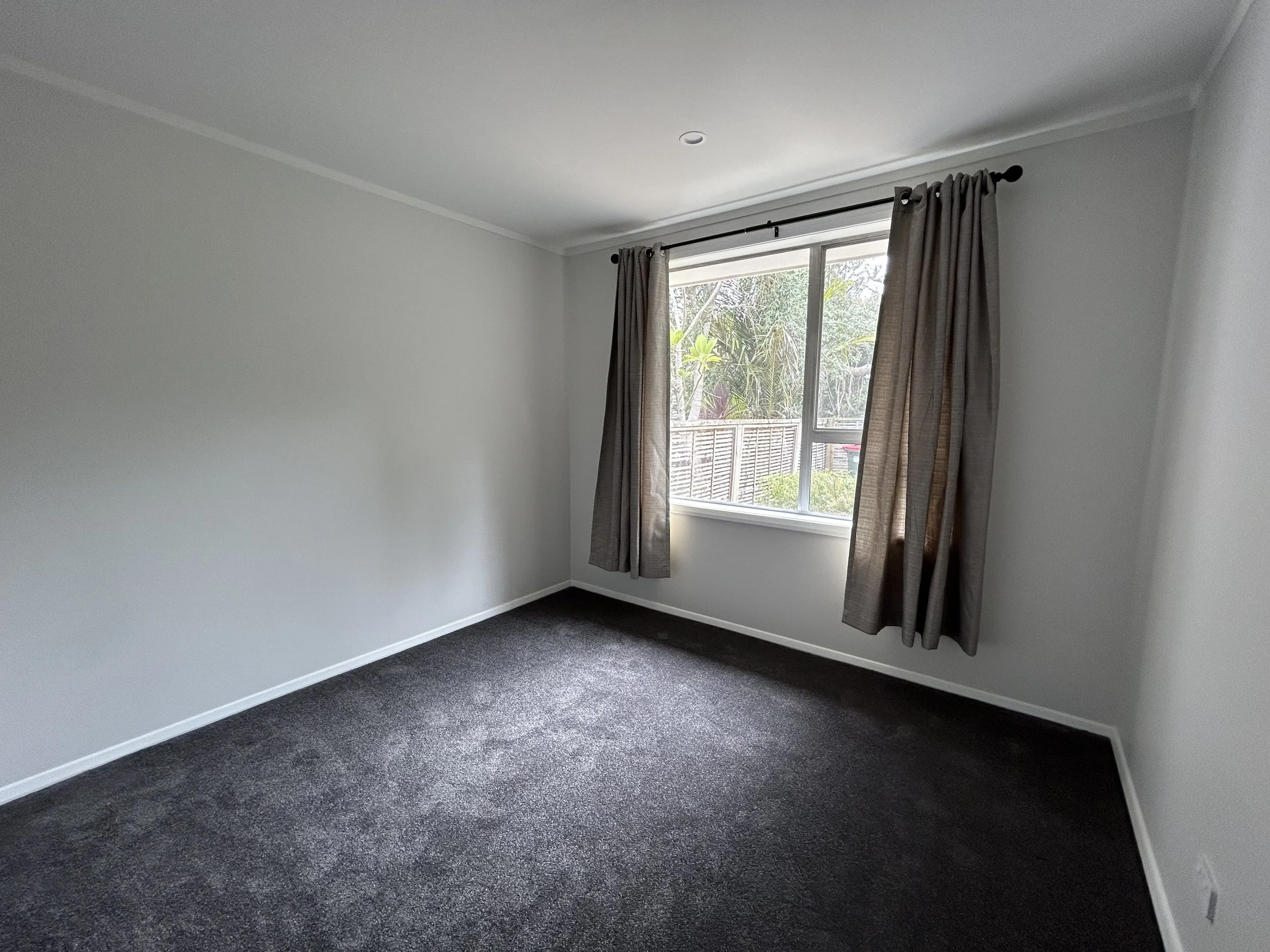
Cabinets are a major component of any kitchen renovation. Once the essential systems are installed, contractors begin fitting base cabinets, wall cabinets, and storage units.
This stage can take several days depending on the complexity of the design. Custom cabinets often require precise installation to ensure alignment and proper spacing for appliances.
During this phase, installers also check measurements for benchtops, ensuring that everything fits perfectly before the next step.
Cabinet installation is often one of the most exciting parts of the renovation because homeowners finally begin to see the new kitchen taking shape.
Benchtop and Appliance Installation (3–5 Days)
After cabinets are securely installed, benchtops can be fitted. Popular benchtop materials in New Zealand include engineered stone, granite, laminate, and solid wood.
Once the benchtops are in place, appliances such as ovens, cooktops, dishwashers, and refrigerators are installed and connected.
Proper alignment is essential during this phase to ensure appliances function correctly and integrate seamlessly into the kitchen design.
Splashbacks, Flooring, and Painting (3–6 Days)
With the major components installed, the renovation moves into the finishing stages.
Typical finishing work includes:
- Installing splashbacks or wall tiles
- Painting walls and ceilings
- Installing new flooring if required
- Adding trim, handles, and hardware
These details bring the entire design together and give the kitchen its final polished look.
Final Inspections and Clean-Up (1–2 Days)
Before the renovation is officially complete, the contractors conduct a final inspection to ensure everything is functioning correctly.
This may include:
- Testing plumbing fixtures
- Checking electrical outlets and lighting
- Ensuring appliances operate properly
- Inspecting cabinets and finishes
Once everything is confirmed, the team performs a final clean-up so the kitchen is ready for use.
Factors That Can Affect Renovation Timelines
While the timeline above represents a typical renovation process, several factors can influence how long your project will take.
Kitchen Size
Larger kitchens naturally require more materials, labour, and installation time. Smaller kitchens may be completed faster, especially if the layout remains unchanged.
Custom Features
Custom cabinetry, speciality lighting, or unique design elements may require additional time for manufacturing and installation.
Material Availability
Supply chain delays can sometimes extend renovation timelines. Imported materials or speciality items may take longer to arrive.
Structural Changes
Removing walls or expanding the kitchen space can significantly increase the renovation timeline.
Unexpected Repairs
Older homes sometimes reveal hidden issues such as water damage, outdated wiring, or structural problems that need to be fixed before the renovation continues.
Tips for Keeping Your Kitchen Renovation on Schedule
Although delays can sometimes occur, there are several ways to help keep your renovation on track.
- Plan early: Finalise your design, materials, and layout before construction begins.
- Work with experienced professionals: Skilled contractors can anticipate potential challenges and manage the renovation efficiently.
- Order materials in advance: Ensuring that cabinets, appliances, and fixtures arrive on time helps avoid unnecessary delays.
- Communicate clearly: Regular updates between homeowners and contractors help resolve issues quickly.
Conclusion
A kitchen renovation can take anywhere from a few weeks to several months, depending on the size, complexity, and whether structural changes are involved. Proper planning, choosing the right materials, and working with an experienced builder can help keep your project on schedule and reduce unexpected delays.
At Strong Builds, we guide homeowners through every step of their kitchen renovation. Our team focuses on quality craftsmanship and clear communication throughout the process. Contact us today to discuss your kitchen renovation plans and get started with confidence.
FAQs
Small renovations, like replacing cabinets or benchtops, typically take 2–4 weeks, depending on material delivery and contractor schedules.
Delays can occur due to custom materials, unforeseen structural issues, plumbing or electrical problems, and changes to the original plan.
If your renovation involves structural changes, plumbing, or electrical work, a building consent may be required. Your builder can guide you through the process.
Yes, but it depends on the scope. Some homeowners set up temporary cooking areas if the main kitchen is unavailable for several weeks.
Choose standard materials, finalise your design before work starts, and work with a professional builder who can coordinate trades efficiently.